2 hr
Former Nazi Rally Grounds Walking Tour
Explore the massive architectural remains of Nuremberg's Rally Grounds with expert historical insight
Reserve
Walk the vast parade grounds where history turned, stand in the courtroom where justice spoke.
Hand-picked by our editors — only the best 7 experiences from 19 reviewed.
Verified partners for Nuremberg Third Reich tours, free cancellation where available, and instant confirmation on every booking.
2 hr
Explore the massive architectural remains of Nuremberg's Rally Grounds with expert historical insight
Reserve
4 hr
Discover medieval architecture and Third Reich history on this comprehensive English-language walking experience
Reserve
4 hr 30 min
Explore the monumental sites of Nazi Party Congresses and visit the courtroom where history was made
ReservePrices from verified partners. Availability updates in real time at checkout. Free cancellation policies apply where shown.
The landmarks, rooms, and views travelers on Nuremberg Third Reich tours remember — all visible on a single visit.
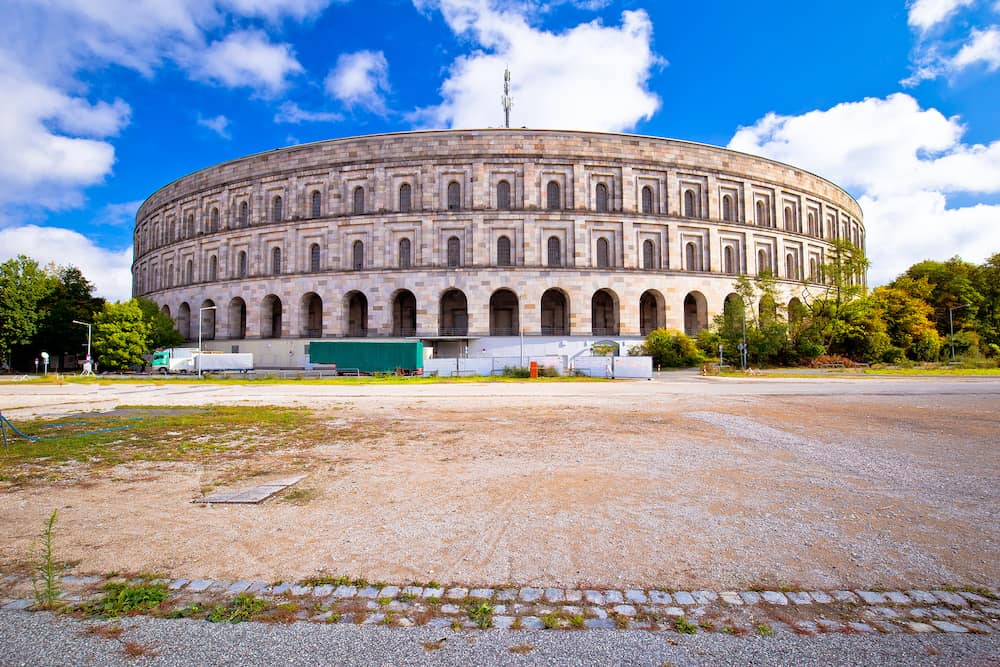
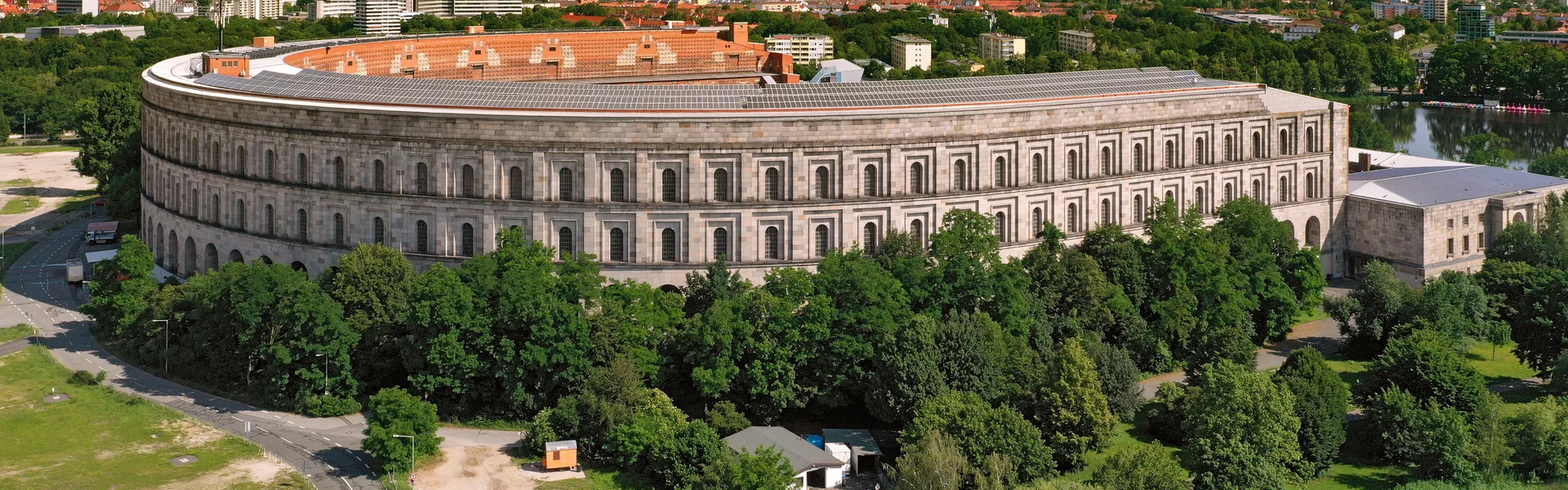
The largest surviving Nazi building, an unfinished horseshoe intended for 50,000 people.
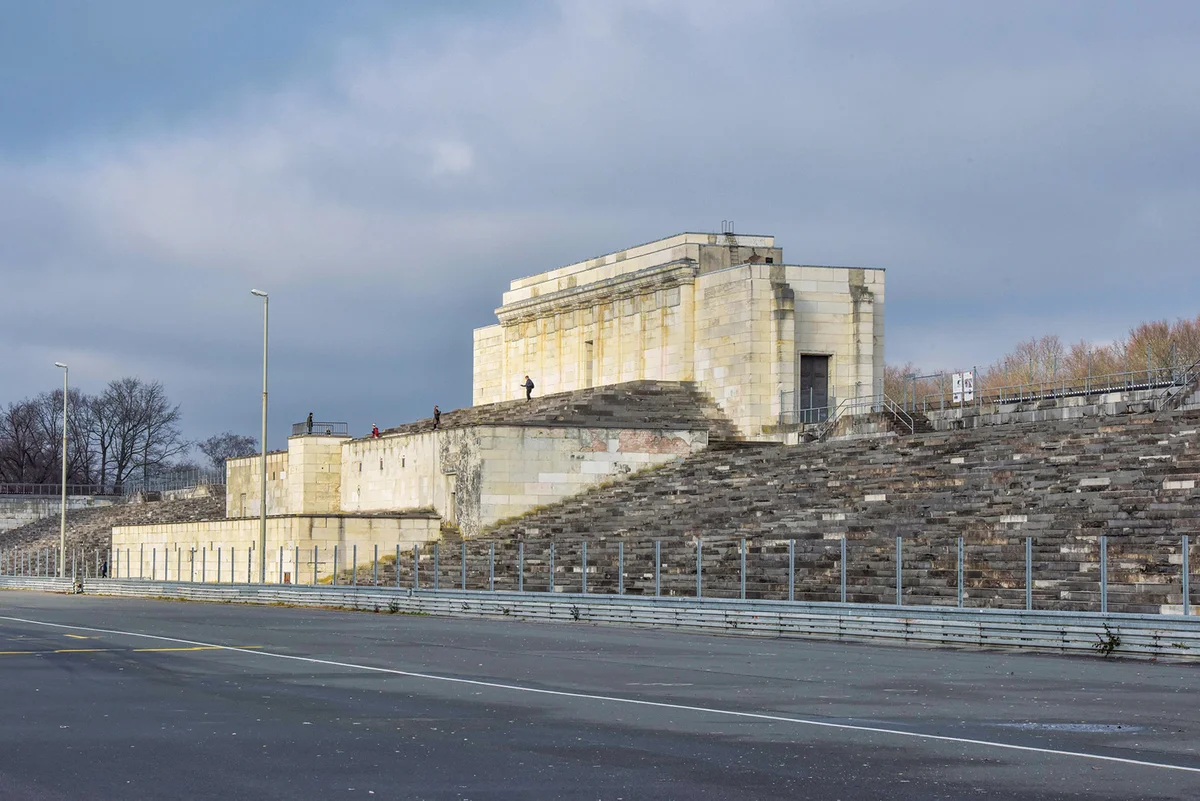
Site of historical rallies where massive crowds once gathered for propaganda events.
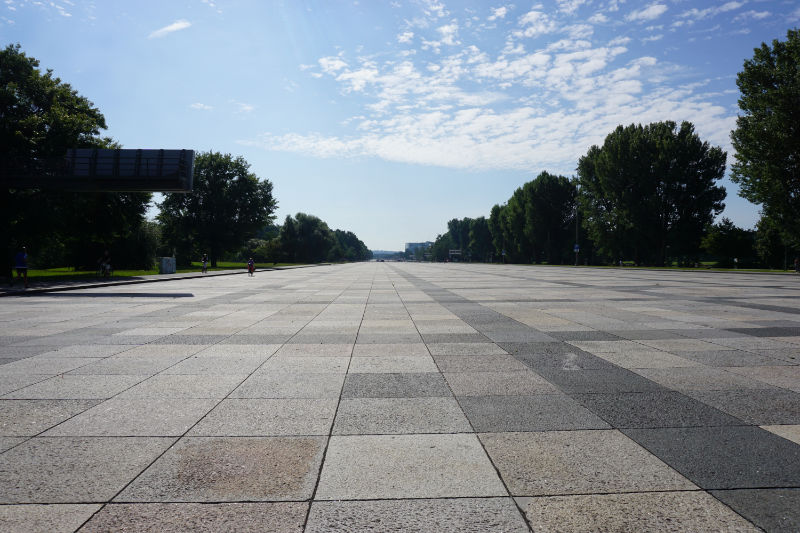
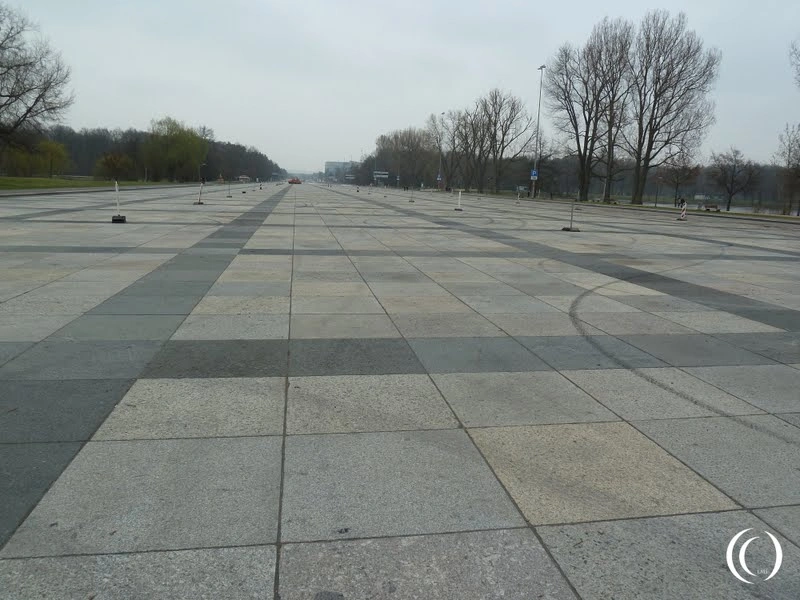
A 60-meter-wide ceremonial street paved with thousands of granite slabs.
Every Nuremberg Third Reich tour side-by-side — duration, what's included, how you redeem.
| Experience | Duration | Rating | Skip-the-line | Guide | Small group | Free cancel. | Price | |
|---|---|---|---|---|---|---|---|---|
|
Guided Experience Most popular
Former Nazi Rally Grounds Walking Tour
|
2 hr | ★ 4.7 | ✓ | ✓ | ✓ | ✓ | $15 | Book → |
|
Guided Experience
Nuremberg Historic Center and Rally Grounds Walking Tour
|
4 hr | ★ 4.8 | ✓ | ✓ | ✓ | ✓ | $42 | Book → |
|
Standard Entry
Nazi Rally Grounds & Nuremberg Trials Historical Tour
|
4 hr 30 min | ★ 4.9 | ✓ | ✓ | — | ✓ | $113 | Book → |
All prices from verified partners. Availability and exact terms confirmed at checkout.
Professional walking tours offer curated context for Nazi Party Rally Grounds landmarks, while the Documentation Center provides a more comprehensive, exhibit-based approach to Germany's twentieth-century history. Visitors often find that booking nuremberg third reich tour tickets enhances their spatial understanding of the site, whereas the self-guided museum visit allows for deep dives into specific archival materials.
| Feature | Top pick Third Reich Tour | Documentation Center |
|---|---|---|
Structure |
Guided walking path | Independent exhibition viewing |
Depth of narrative |
Contextual and storytelling | Academic and archival |
Cost |
Varies by provider | 7.5 EUR |
Freedom of movement |
Fixed group pace | Personalized self-pacing |
Expert access |
Direct interaction with guide | Curated informative displays |
| See tickets → |
Verdict: Choose the professional nuremberg third reich tour tours if you prefer expert-led insights, or opt for the Documentation Center if you value complete control over your nuremberg third reich tour tour experience.
Choose your ticket, select your date, and reserve in under two minutes. Secure checkout handled by our verified partner.
Instant confirmation by email, with a mobile voucher you can save offline. No printing, no queuing at a collection desk.
Arrive at the entrance, show your voucher on your phone, and walk in. Most tickets include priority or skip-the-line access.
Practical details for Nuremberg Third Reich tickets straight from our verified partners — hours, access, rules, and how to get there.
Bayernstraße 110
Main entrance ticket desk
Open in Google MapsTake Tram 8 to the Doku-Zentrum stop for direct access.
Parking is available on the former Rally Grounds via the city's marked zones.
Visitors are expected to dress respectfully, as this is a site of historical gravity and remembrance. There is no official dress code, but comfortable footwear is highly recommended for exploring the expansive outdoor rally grounds.
Lockers are available for personal items. Large backpacks and bulky luggage should be stored to ensure a smooth flow through the exhibition galleries.
Photography is permitted for private, non-commercial use only. The use of flashes, tripods, or external stands is strictly prohibited within the nuremberg third reich tour exhibition spaces.
The facility is fully accessible to visitors with reduced mobility, offering elevators and tactile guidance. Wheelchairs can be borrowed at the ticket desk, and mobile induction loops are available for those with hearing impairments.
Mobile devices are encouraged for accessing the free web-based media guide. Please use headphones and keep your device volume low to maintain a respectful environment.
The museum is an educational site suitable for older children and students interested in history. Families can utilize small group tickets for a more economical visit during their nuremberg third reich tour.
Eating and drinking are not permitted inside the exhibition galleries. Café Arthur in the entrance area offers refreshments for visitors before or after their nuremberg third reich tour.
Pets are not allowed inside the museum buildings. Service animals assisting visitors with disabilities are the only exception to this policy.
The 7.5 EUR admission fee provides access to the full exhibition. Visitors are encouraged to dedicate at least 90 minutes to explore the content fully.
Best time to go, insider tips, nearby landmarks, and the cancellation fine print — flip through to skim what matters to you.
How crowds, weather, and events shift across the year.
Mild temperatures make the 4km walk around the grounds comfortable for visitors.
Peak tourist season with longer daylight hours for exploring the outdoor sites.
Cooler weather provides a reflective atmosphere, perfect for this nuremberg third reich tour.
Indoor exhibition galleries provide a warm and informative refuge from the cold.
Small details that turn a good visit into a great one.
Use the complimentary audio guide for in-depth insights during your nuremberg third reich tour. It is available in multiple languages and offers essential context.
Non-bookable sights within a short walk — free to visit, easy to pair.
Historic site of the former Nazi party rallies.
A massive granite-paved parade street.
Site of the post-WWII war crimes trials.
Flexible, no hidden fees.
All ticket purchases are final and include a service fee. Tickets cannot be canceled, returned, or exchanged.
Hand-picked options within walking distance — pick a district for vibe, or a specific hotel for convenience.
Convenient access to all major transit lines.
Local neighborhood closer to the museum site.
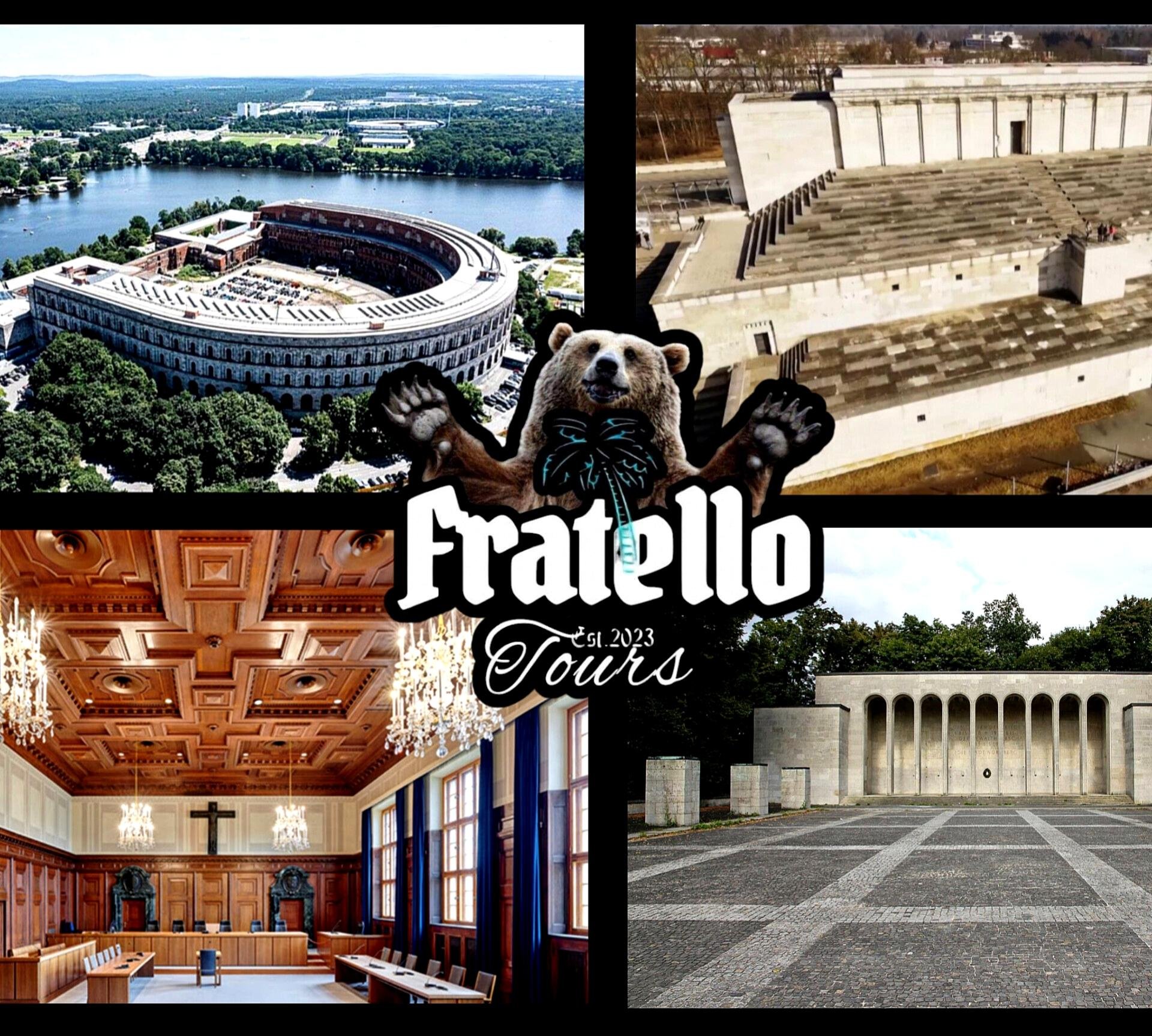
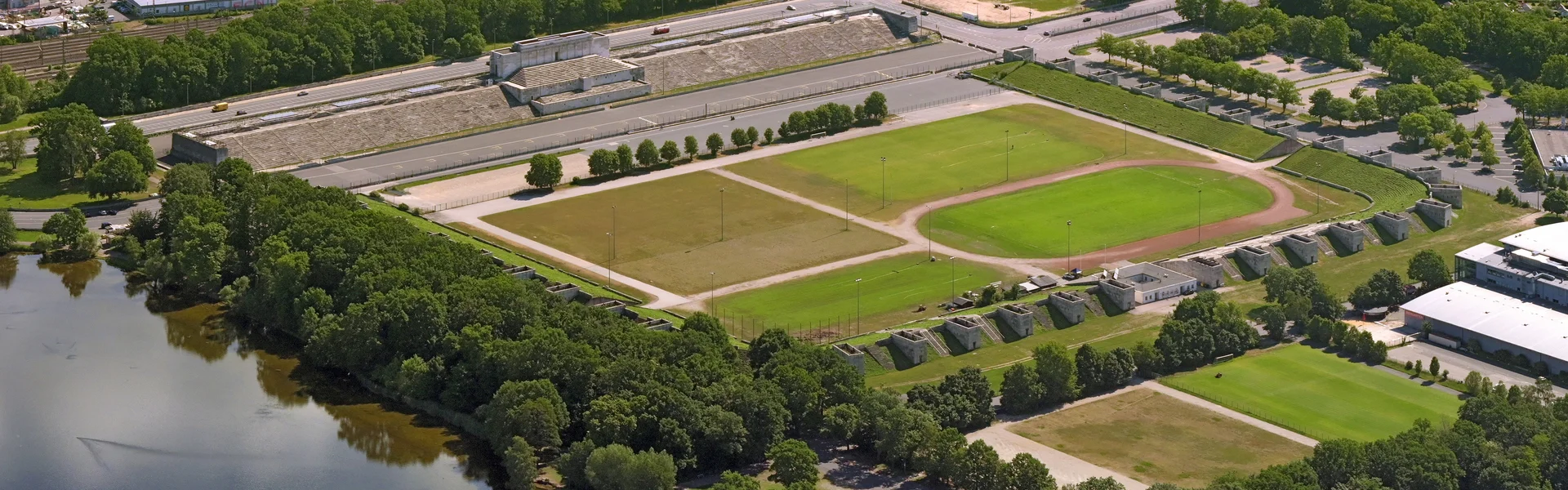
Between 1933 and 1938, Albert Speer designed eleven square kilometers of parade grounds, tribunes, and assembly halls on Nuremberg's southeastern fringe—a project scaled to dwarf the Forum Romanum and accommodate half a million spectators.
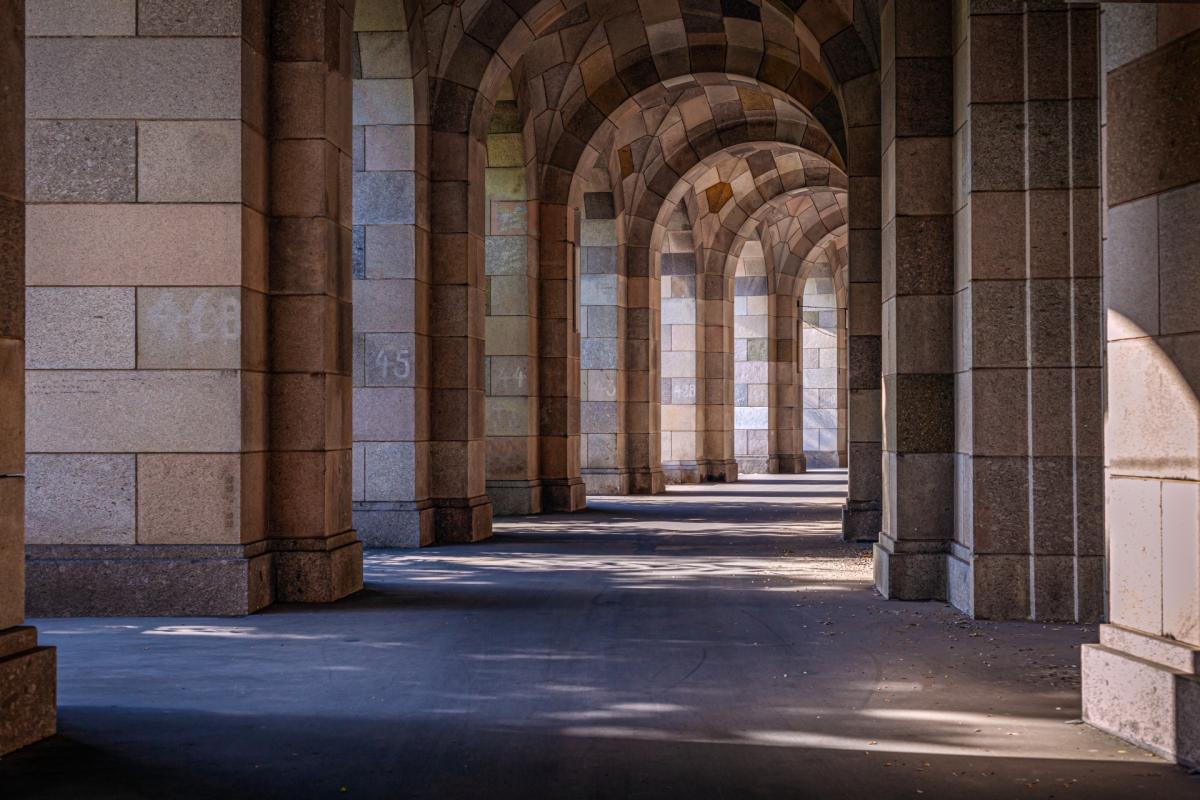
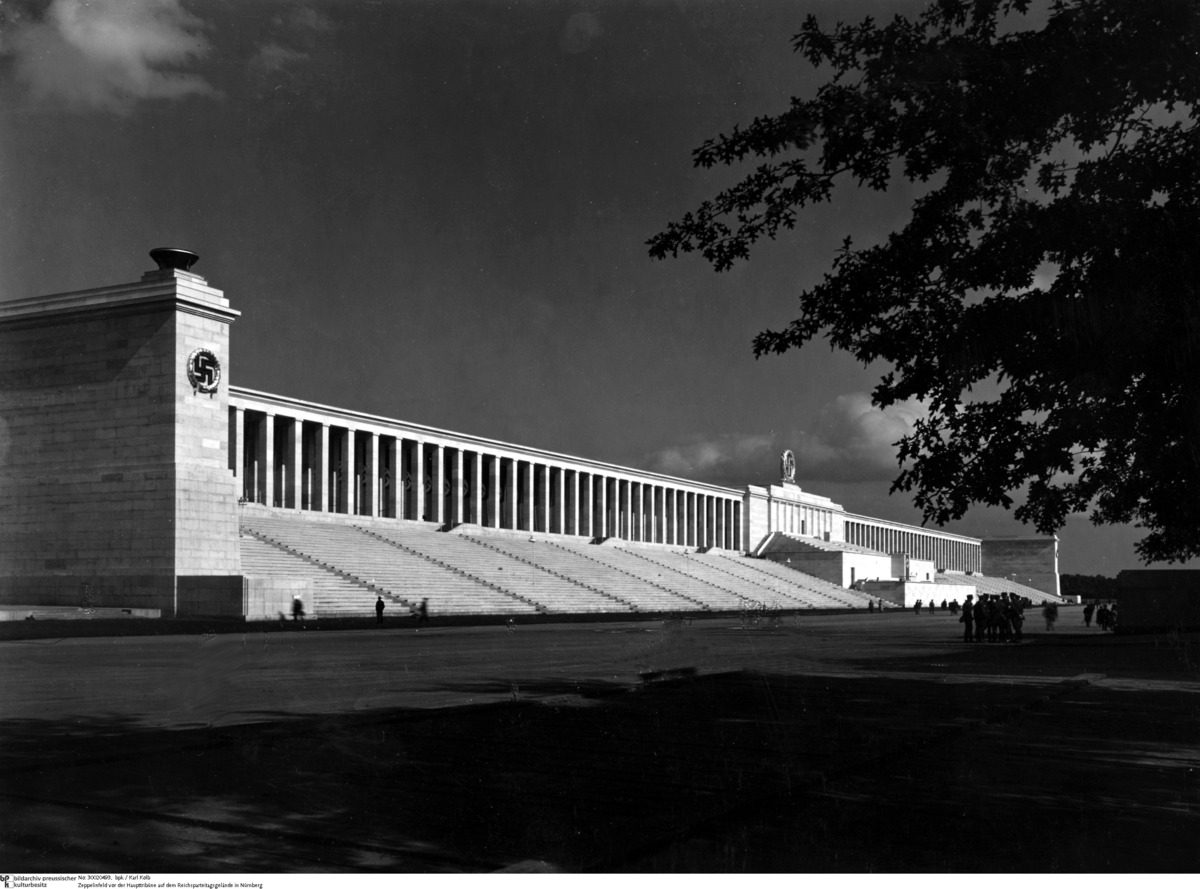
The Zeppelin Field grandstand stretched 360 meters, its central podium framed by stone colonnades modeled on the Pergamon Altar. Construction consumed 250,000 cubic meters of granite and employed thousands of laborers under a timeline that prioritized spectacle over structural longevity. Only the Congress Hall, a horseshoe amphitheater inspired by Rome's Colosseum, reached near-completion; its brick skeleton still looms over Dutzendteich Lake, a monument to ambition arrested mid-sentence.
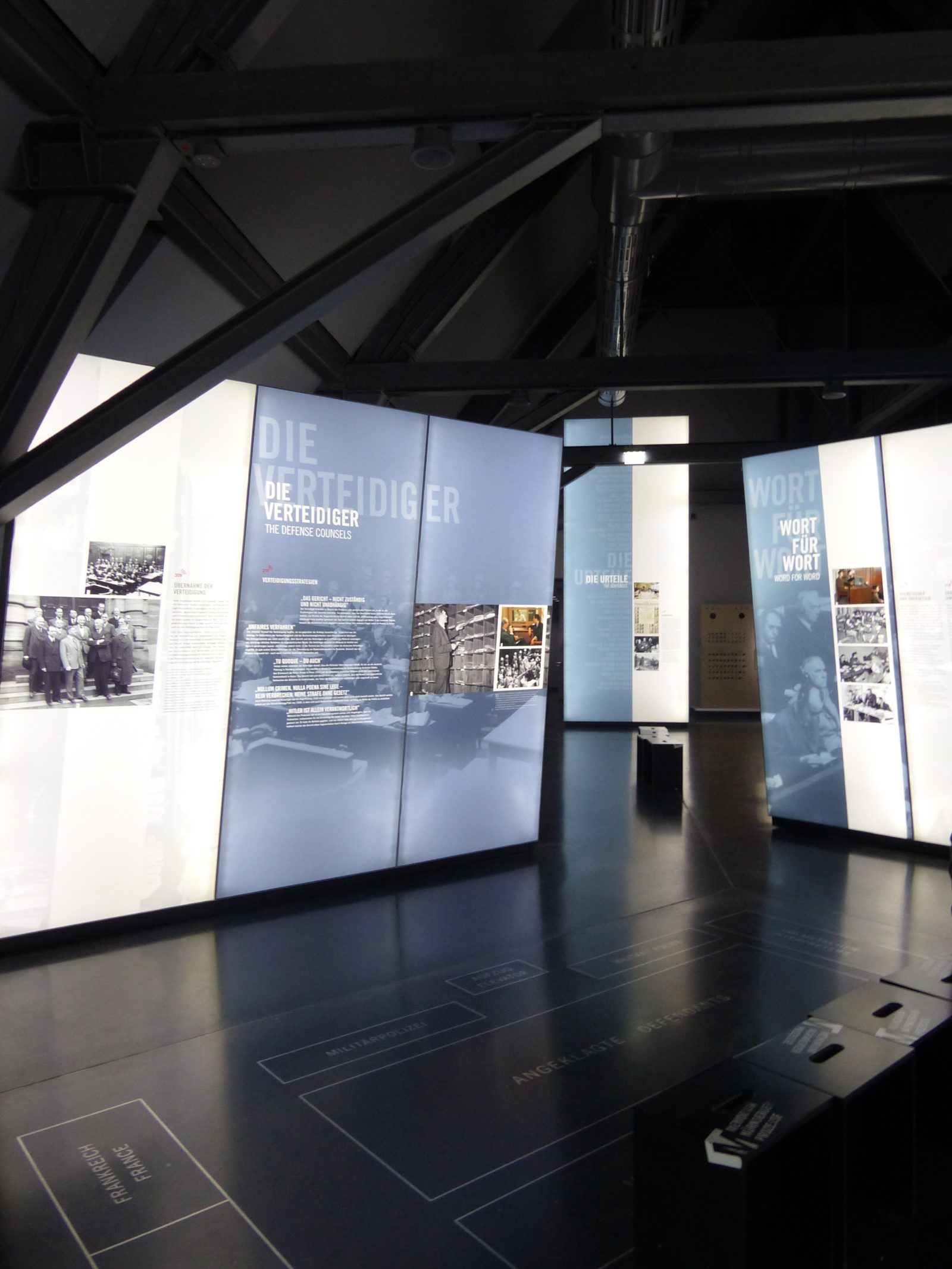
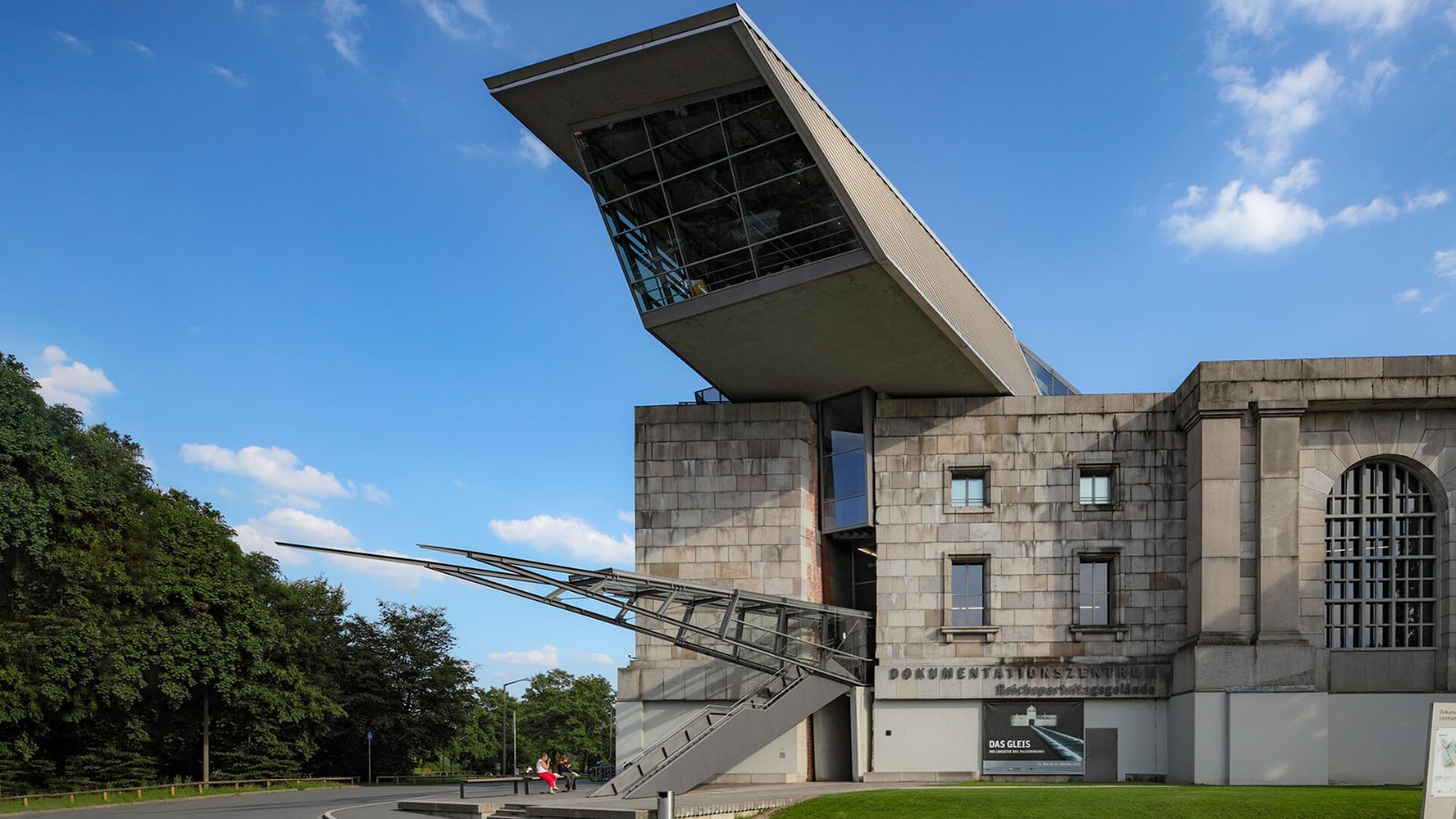
Today the Documentation Center occupies the Congress Hall's north wing, converting the unfinished interior into 1,300 square meters of exhibition space. Opened in 2001, the permanent display dissects the choreography of the annual party rallies—the torchlight processions filmed by Leni Riefenstahl, the massed formations that transformed individuals into pixels in a propaganda tableau. Photographs, newsreels, and architectural models trace how the regime weaponized urban planning, turning the city into a stage set for totalitarian theater. Visitors walk the same granite causeway that once carried columns of marchers, now cracked and overgrown, its scale still oppressive under open sky.
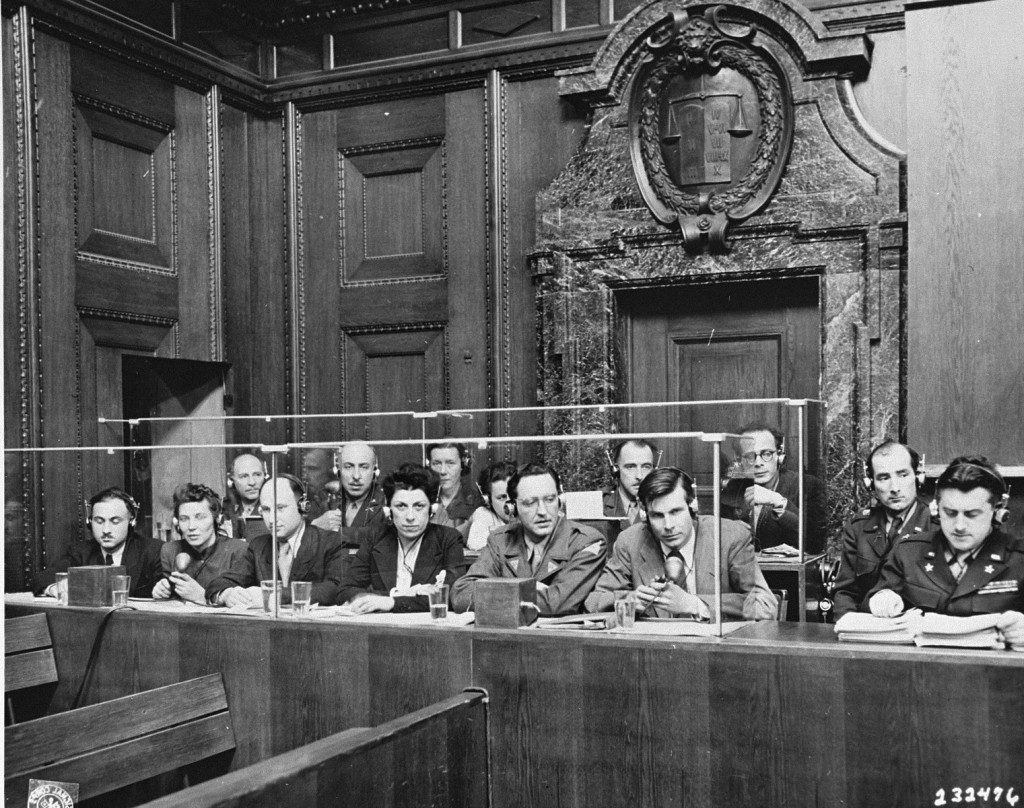
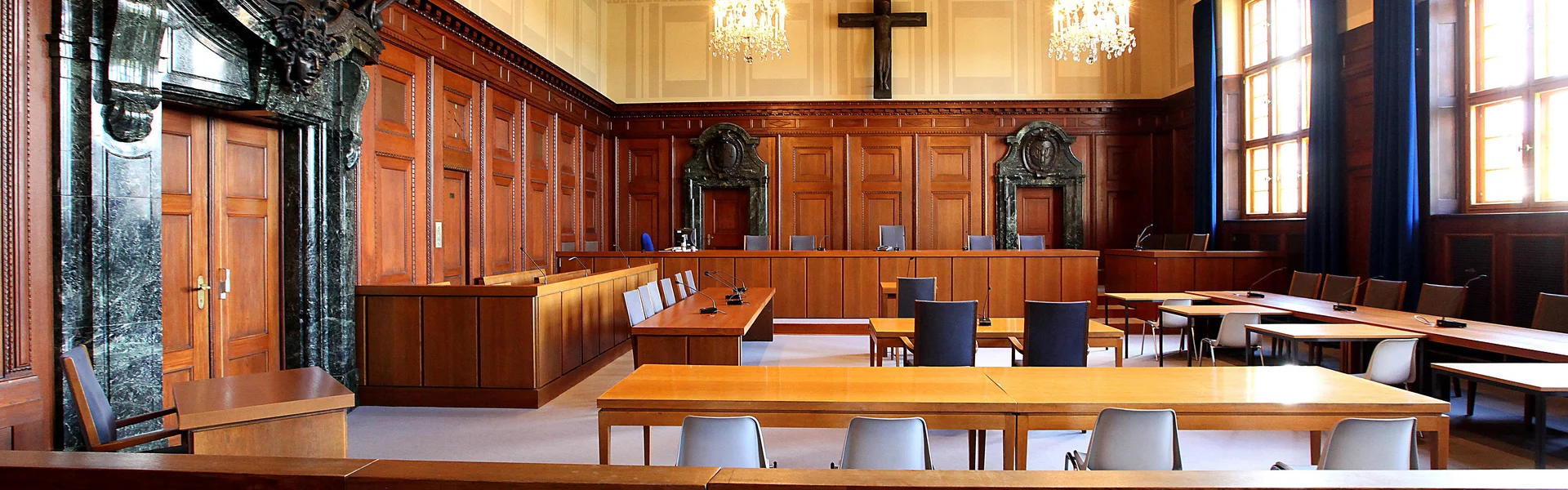
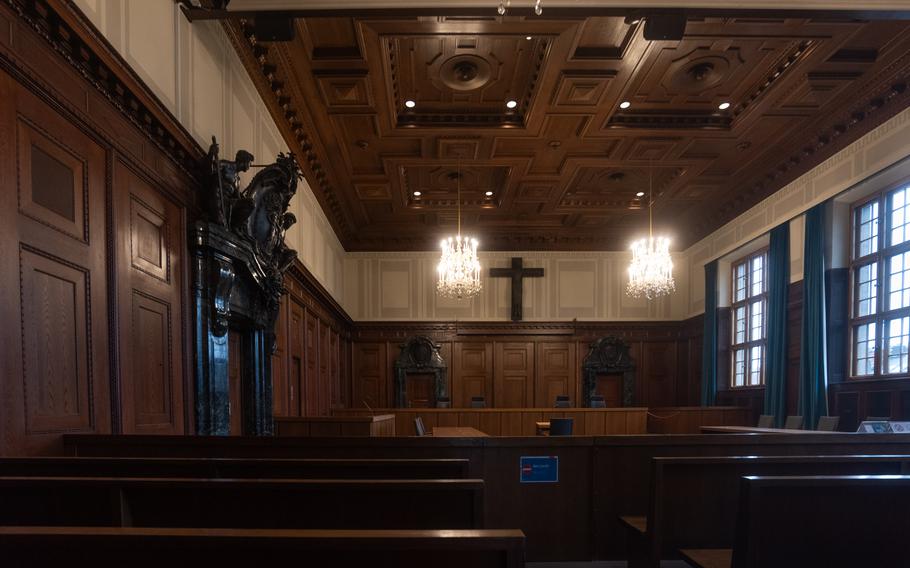
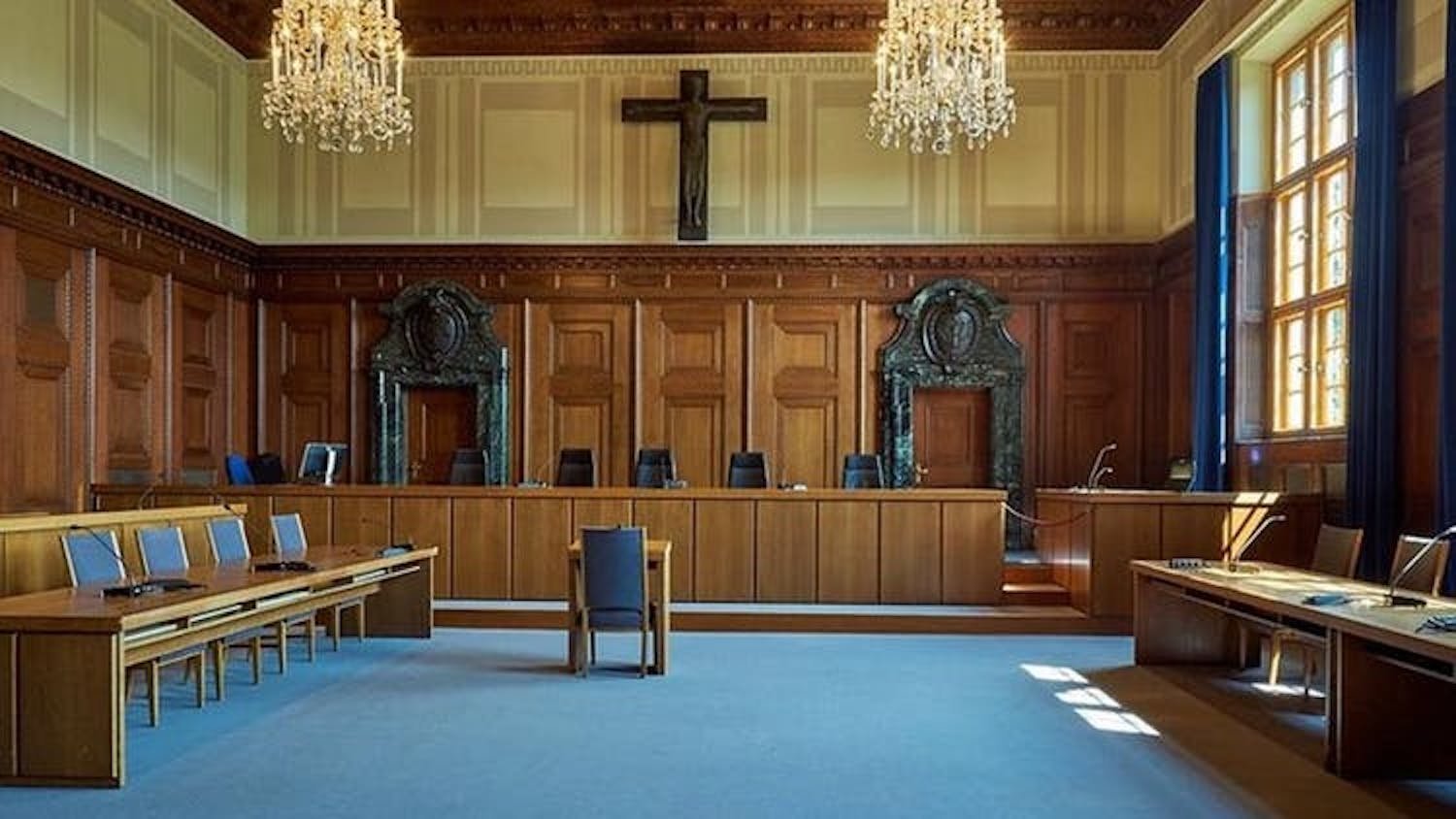
The Nuremberg trials concluded in Courtroom 600 of the Palace of Justice, three kilometers west of the rally grounds. Between November 1945 and October 1946, twenty-four defendants faced charges of crimes against peace, war crimes, and crimes against humanity—a legal framework drafted specifically for the proceedings. Twelve death sentences were handed down; Hermann Göring escaped the gallows by suicide two hours before execution. The courtroom remains an active district court, open to visitors on weekends and when not in session. Original wooden benches face the judges' dias where the four-power tribunal sat. A small exhibition in the adjacent attic documents the trial's procedural innovations, from simultaneous translation systems to the use of film evidence.
A Nuremberg Third Reich walking tour typically links these three sites across a half-day itinerary, covering roughly five kilometers on foot. Guides contextualize the architectural grammar of the rally grounds—why the grandstand faced west to catch evening light during September rallies, how the Congress Hall's incomplete dome was meant to echo Hadrian's Pantheon. The Documentation Center's permanent exhibition requires ninety minutes minimum; temporary displays on the building's second floor rotate quarterly. Courtroom 600 visits depend on the judicial calendar and are often incorporated into extended tours.

"Twelve death sentences were handed down in Courtroom 600; Hermann Göring escaped the gallows by suicide two hours before execution."
A step-by-step walkthrough of Nuremberg Third Reich tickets — what you'll see, how long each stage takes, and the details that matter.
You begin at the Documentation Center on Bayernstraße, entering through the glass-and-steel piercing that architect Günther Domenig drove through the Congress Hall's brick facade in 2001.
The permanent exhibition spirals through the building's north wing in chronological sequence, starting with the Weimar Republic's collapse and ending with the Nuremberg trials. You pause at a scale model of the unrealized Great Stadium, designed to seat 400,000 and never built beyond foundation trenches. Projected newsreels flicker on curved walls—torches, flags, synchronized salutes captured in Riefenstahl's Triumph of the Will.
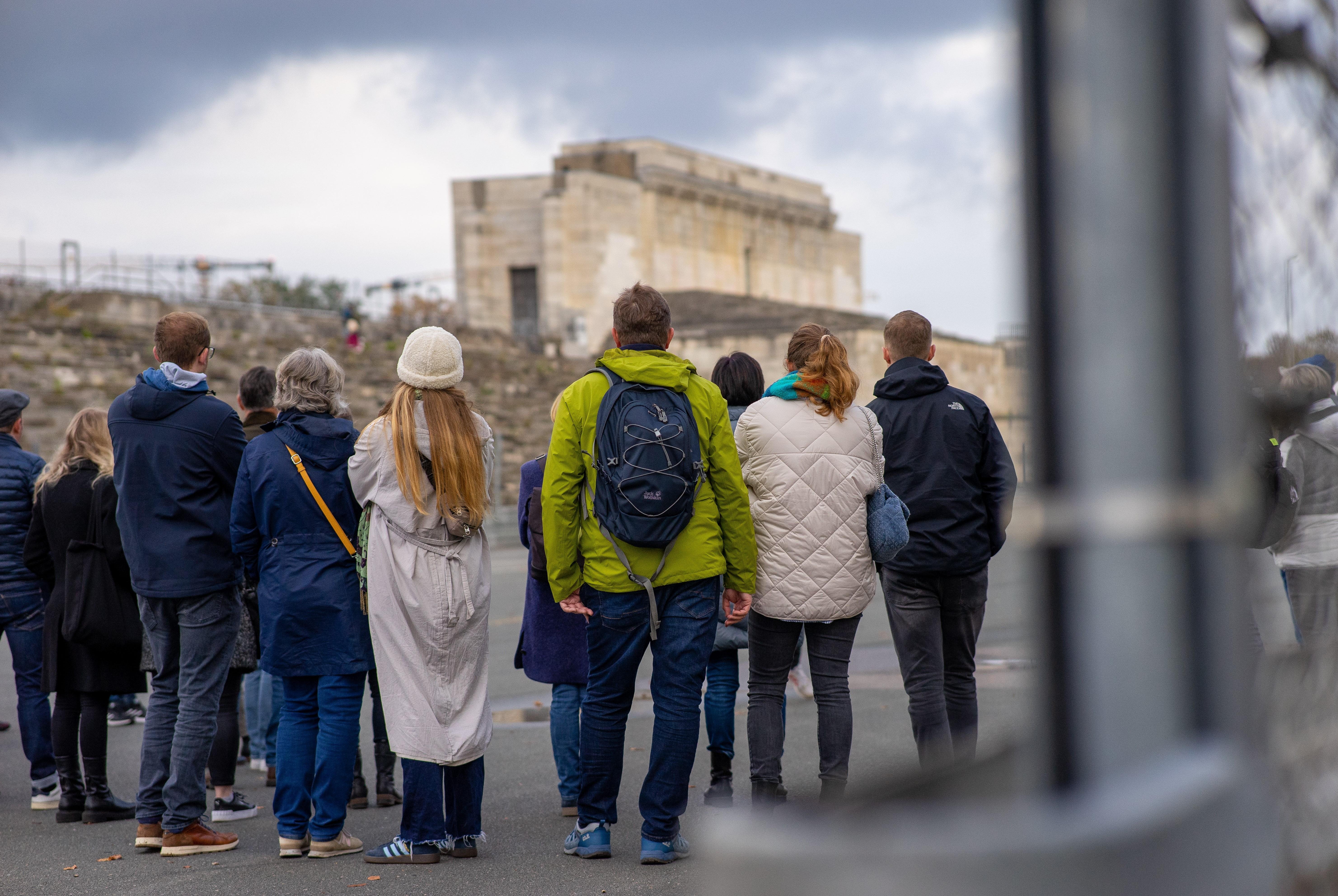
Outside, you walk the Große Straße, a two-kilometer granite causeway built for parade columns twelve abreast. Weeds fracture the paving stones. The Zeppelin Field grandstand rises ahead, its central podium stripped of the bronze swastika that once crowned the colonnade. You climb the steps to the tribune where speeches were delivered to half a million assembled listeners, the acoustic design still projecting whispers across the empty field.
The tour concludes at Courtroom 600 in the Palace of Justice, a ten-minute tram ride west. You sit on the original defendants' benches, facing the judges' dias where the four-power tribunal presided. The room is smaller than photographs suggest—oak-paneled, fluorescent-lit, still used for district court hearings on weekdays. Headphones deliver trial transcripts as you scan the dock where twenty-one men sat in two rows, their faces now indexed in the attic exhibition upstairs.
Admission for adults to the Documentation Center Nazi Party Rally Grounds is 7.5 EUR.
The center is open Mon–Fri 09:00–18:00 and Sat–Sun 10:00–18:00.
Yes, the facility is fully wheelchair-accessible with ramps and elevators.
Private photography without flash is allowed during your nuremberg third reich tour.
Arrive between 09:00 and 16:30 to avoid peak crowds and ensure sufficient time.
Café Arthur is available for refreshments before or after your nuremberg third reich tour.
Yes, it is family-friendly, though the content is best suited for older students.
Take Tram 8 to the Doku-Zentrum stop for direct access to the venue.
Yes, online tickets can be booked via the official museum website.